Lille, an underrated gem in Northern France
In July 2026, I spent a whole month in the French city of Lille. I also went on a day trip to Dunkirk, a coastal town facing the English Channel.
I decided to visit Lille because it offers a perfect mix of vibrant culture, rich history, and world-class food; plus, it is within a short train ride from London, Paris and Brussels. Lille is known as the "Capital of French Flanders,"; it is a unique destination where French culinary and architectural traditions blend with Belgian culture.
Table of contents:
Where to stay in Lille
Lille Old Town
Citadel de Lille
Museums in Lille
Where to eat in Lille
Additional organised tours and activities to do in Lille
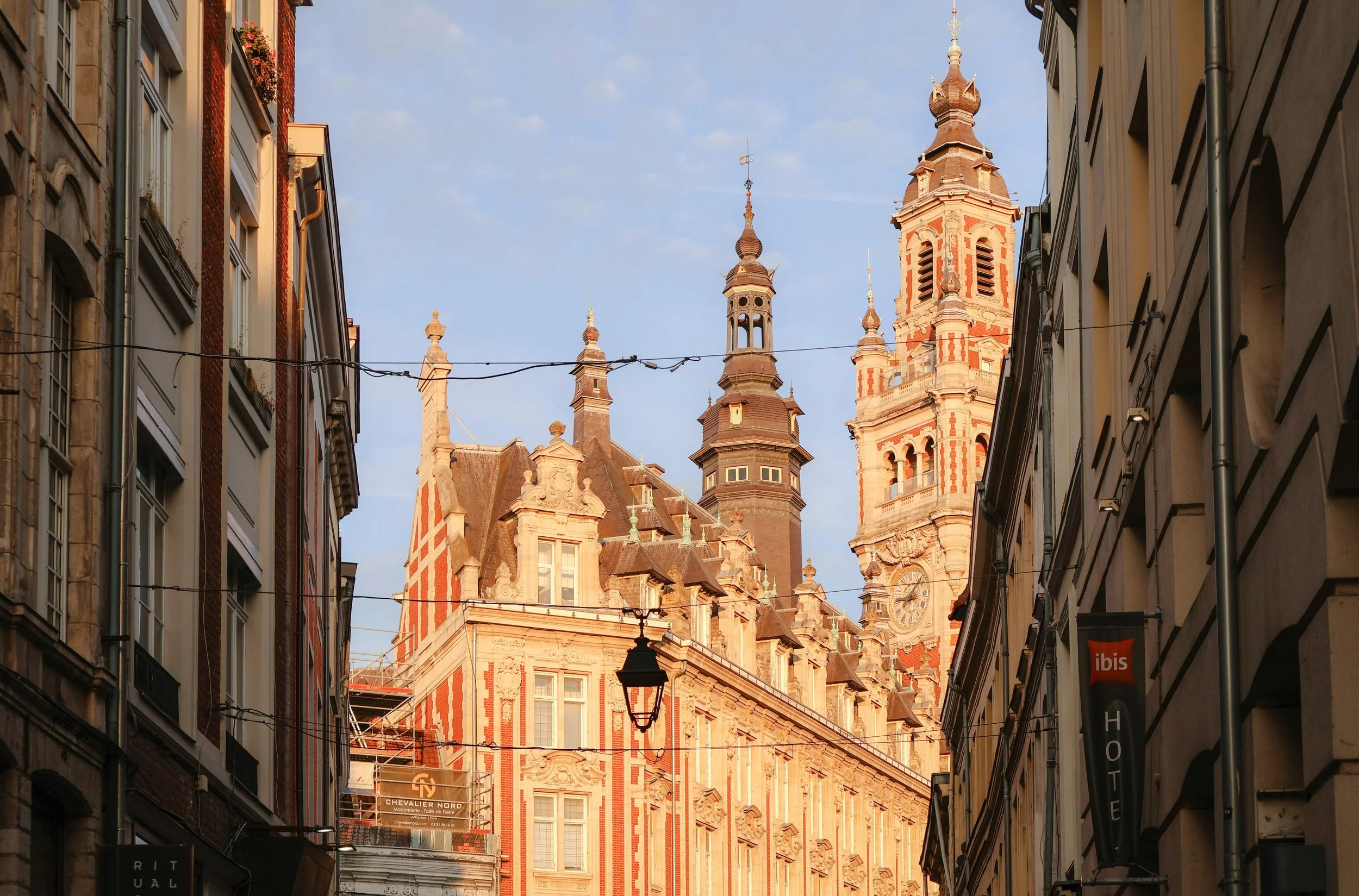
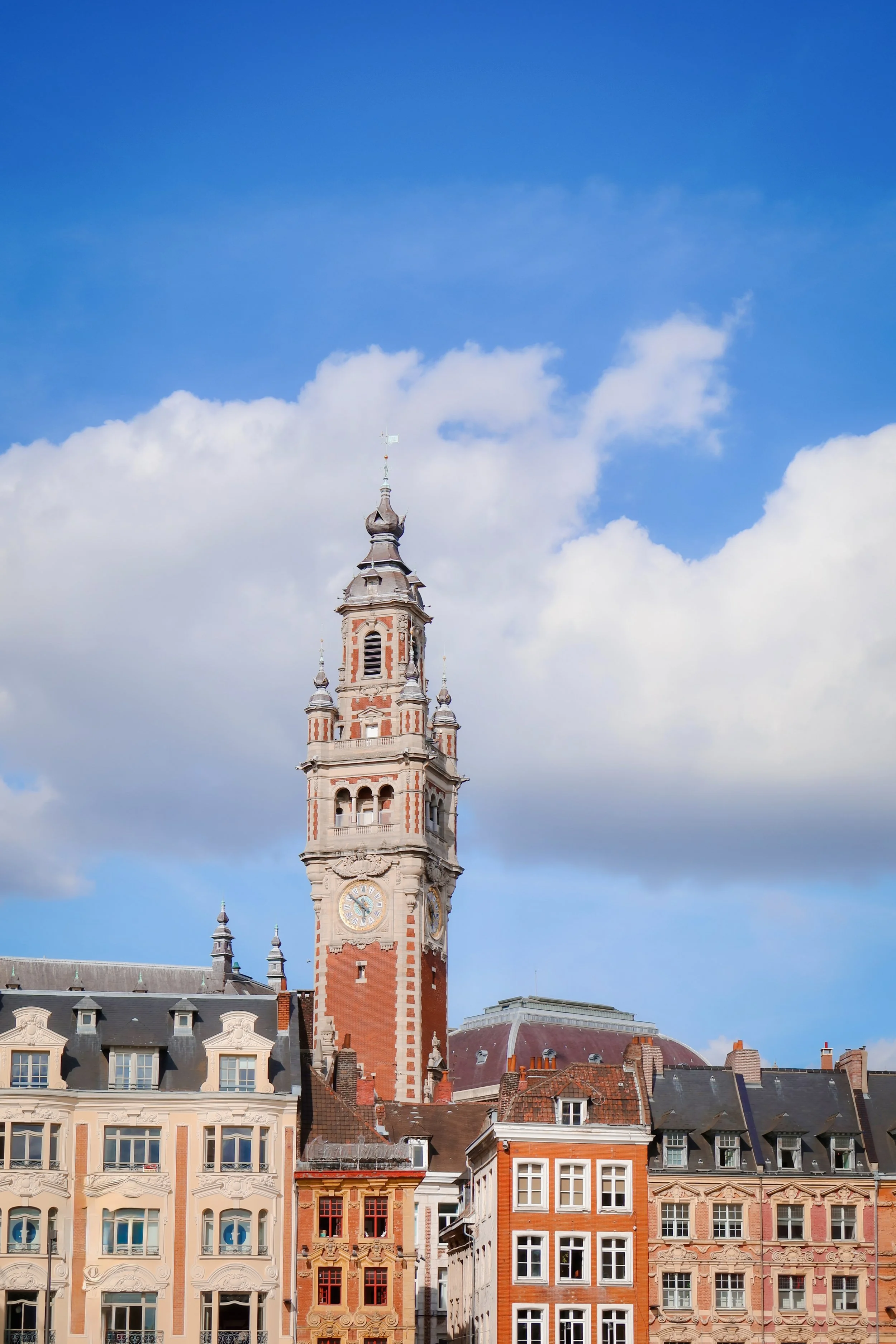
View of the View of the Beffroi de la Chambre de Commerce de Lille
Where to stay in Lille
For my stay in Lille, I booked an Airbnb just 30 minutes by tram from Lille, in the area called Marcq-en-Barœul. This is a residential area with one coffee shop, open a few days a week and a supermarket 10/15 minutes walk from the Airbnb. The area is very pretty, peaceful and there is a lot of nature to keep you company! The Airbnb is well connected with Lille Old Town via a tram link to Lille Flandres from where you can start your exploration of Lille. The ticket is €1.80 and you can buy it directly using the vendor machine located at the tram stop. Generally, trams run every 15 minutes or so, making travelling to Lille quite easy.
Lille Old Town
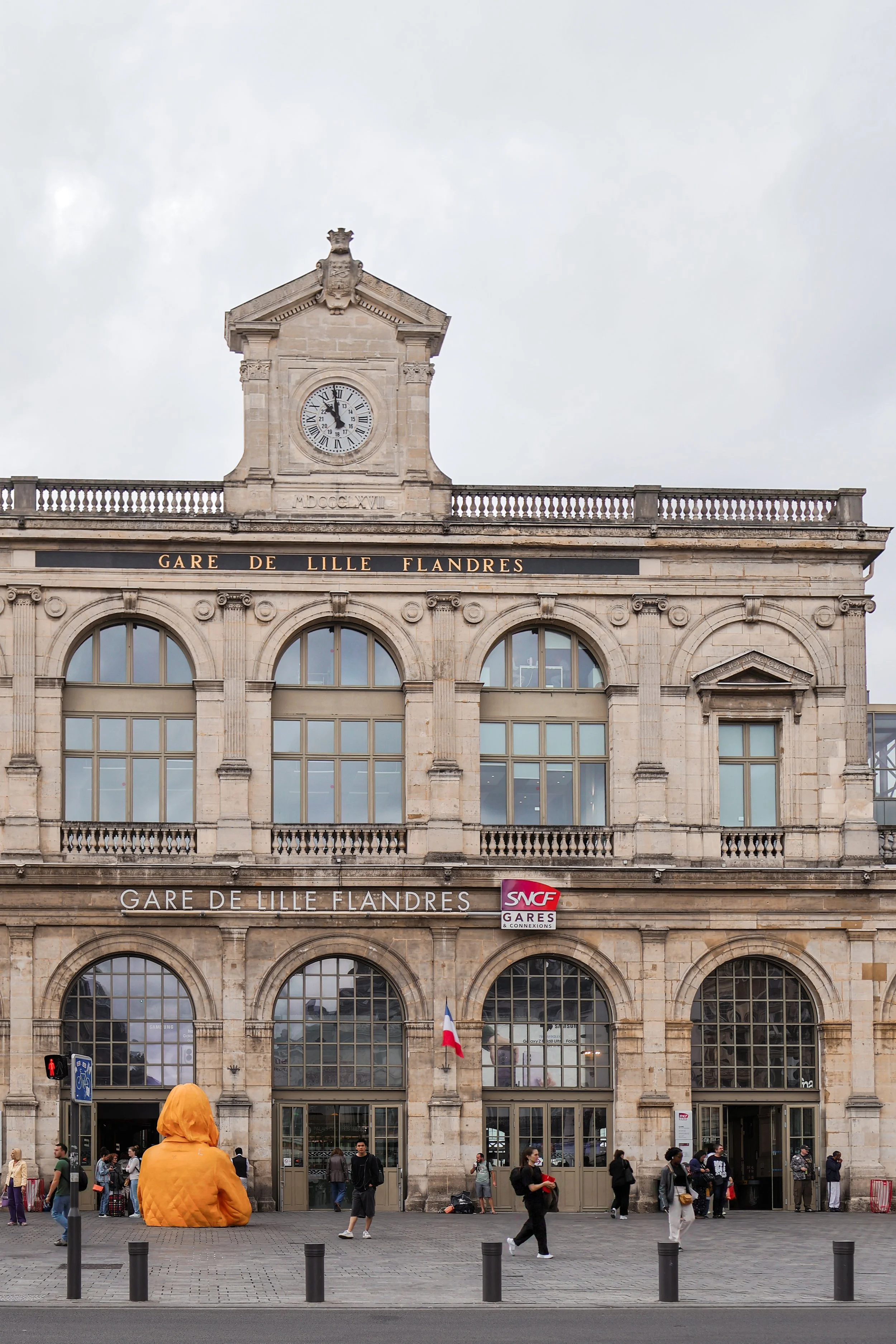
If you are visiting Lille for a day trip or if you are staying just outside Lille, you will likely start your exploration of Lille from Lille Flandres train station. Gare de Lille-Flandres is a major train station in France. It features a unique historical element: its original wooden and iron roof was moved piece by piece from the Paris Gare du Nord in the 19th century! If you are coming from international destinations, you might arrive in Lille Europe. Either way, at least one day of your stay should be dedicated to exploring the Old Town of Lille (Vieux-Lille).
If you want to feel like you’ve stepped straight into a postcard, you are in the right place. The architecture here is absolutely gorgeous, mixing French architecture with colourful Flemish brickwork, ornate golden details, and cobblestone streets. It’s a perfect place to just wander and lose yourself in its pretty streets, but keep your eyes peeled for a few specific landmarks. I will list them below with a description and some photos.
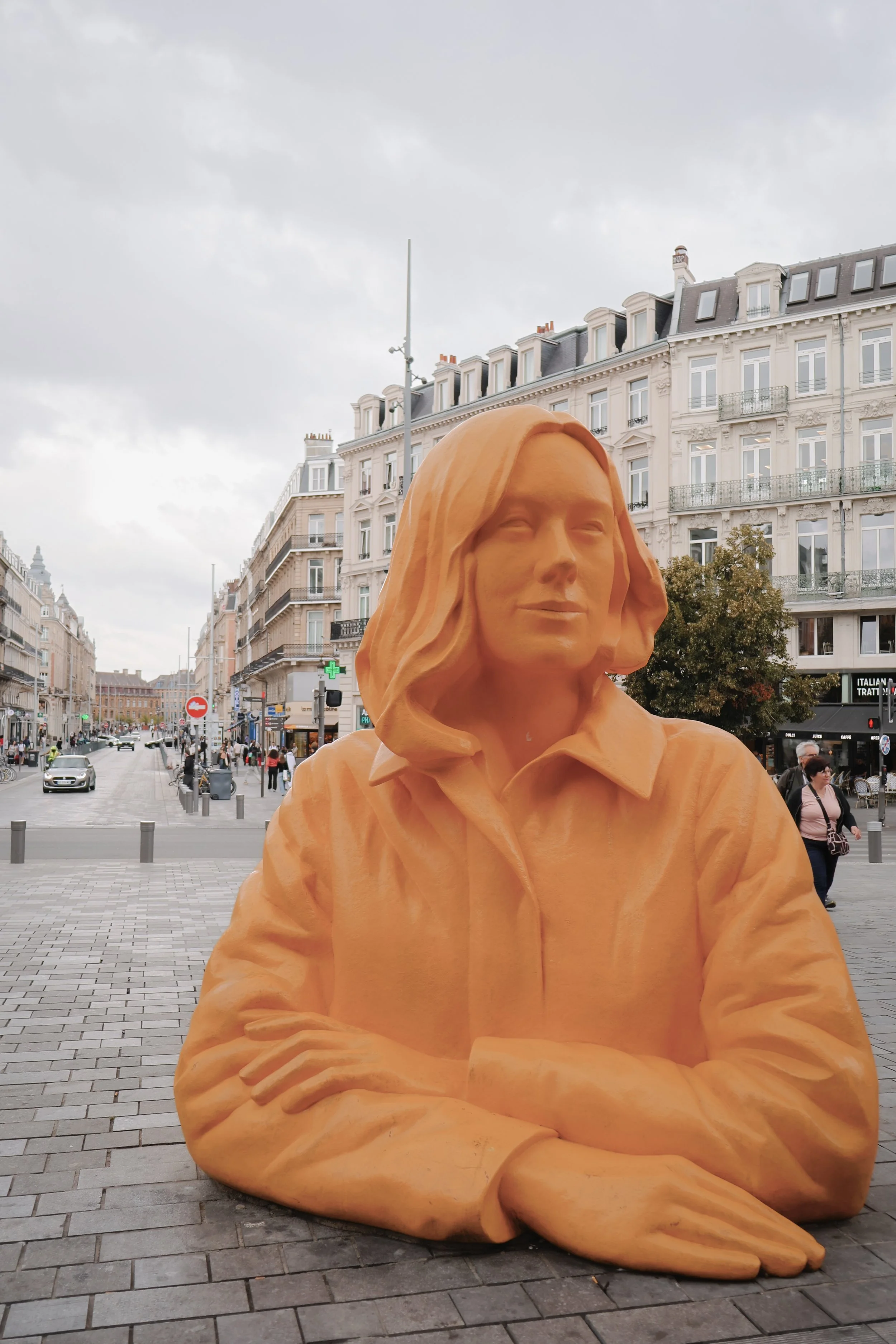
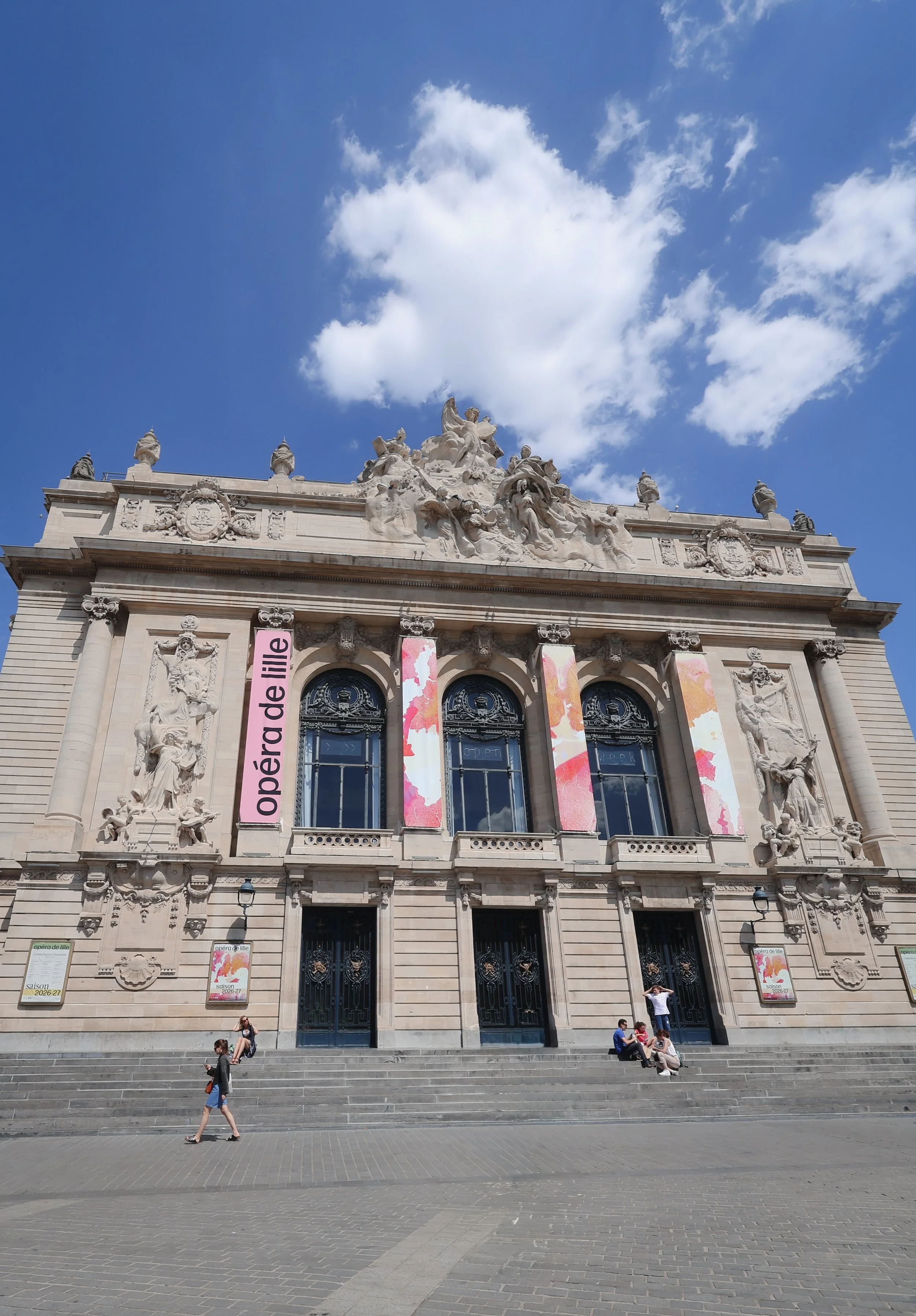
Pl. du Théâtre
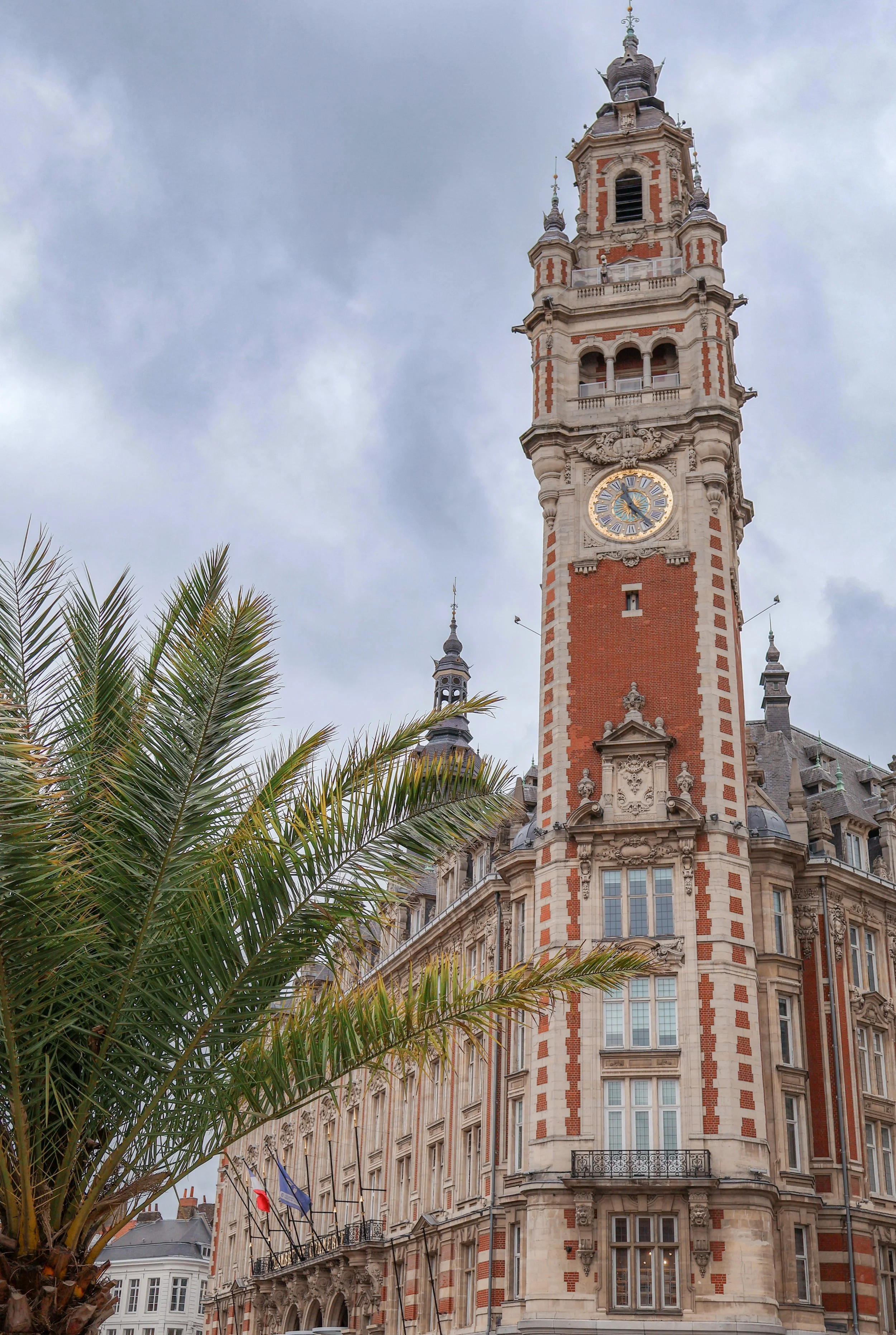
Place du Théâtre is famous for being home to the grand Opéra de Lille, an Italian-style opera house built in the early 20th century. Pl. du Théâtre sits directly adjacent to the Grand Place, forming a beautiful architectural hub in the heart of the city. Aside from the Opéra, here you will find the striking, 76-metre-tall belfry of the Chambre de Commerce and the rear facade of the Vieille Bourse.
Grand Place
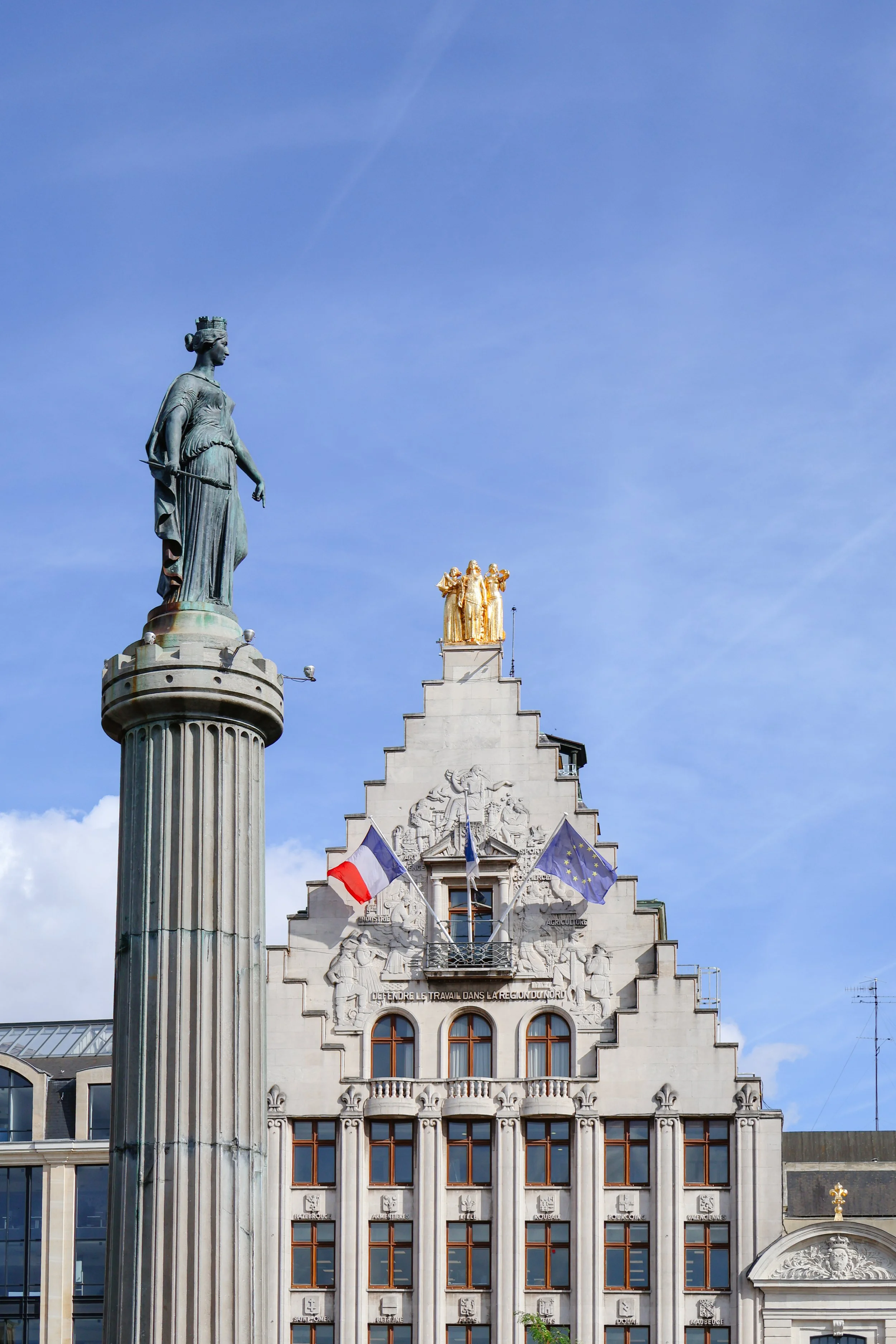
The Grand Place in Lille (officially named Place du Général-de-Gaulle) is probably the heart of Lille Old Town. It is an unique square because it features a towering column at its exact center called The Goddess (La Déesse), which was built to commemorate the city’s resistance against a 1792 siege by the Austrian army. The square is framed by stunning Flemish-style buildings, most notably the Vieille Bourse. It serves as the historic and vibrant heart of the city with cafe terraces on the cobblestones.
Le Vieille Bourse
The Vieille Bourse in Lille (Old Stock Exchange) is the former building of the Lille Chamber of Commerce and Industry. It is located between the Place du Général-de-Gaulle and the Place du Théâtre and is considered to be one of the landmarks of the city centre.
It was built between 1652 and 1653, and it is now a beautiful example of 17th-century Flemish Renaissance architecture. Its courtyard houses a second-hand book market during the day and it becomes a vibrant dancehall during warm summer nights.
Being there a few nights ago, felt like witnessing the true meaning of the French expressin "joie de vivre" - the joy of living was felt through the energy of all the people there, the organiseres and the dancers.
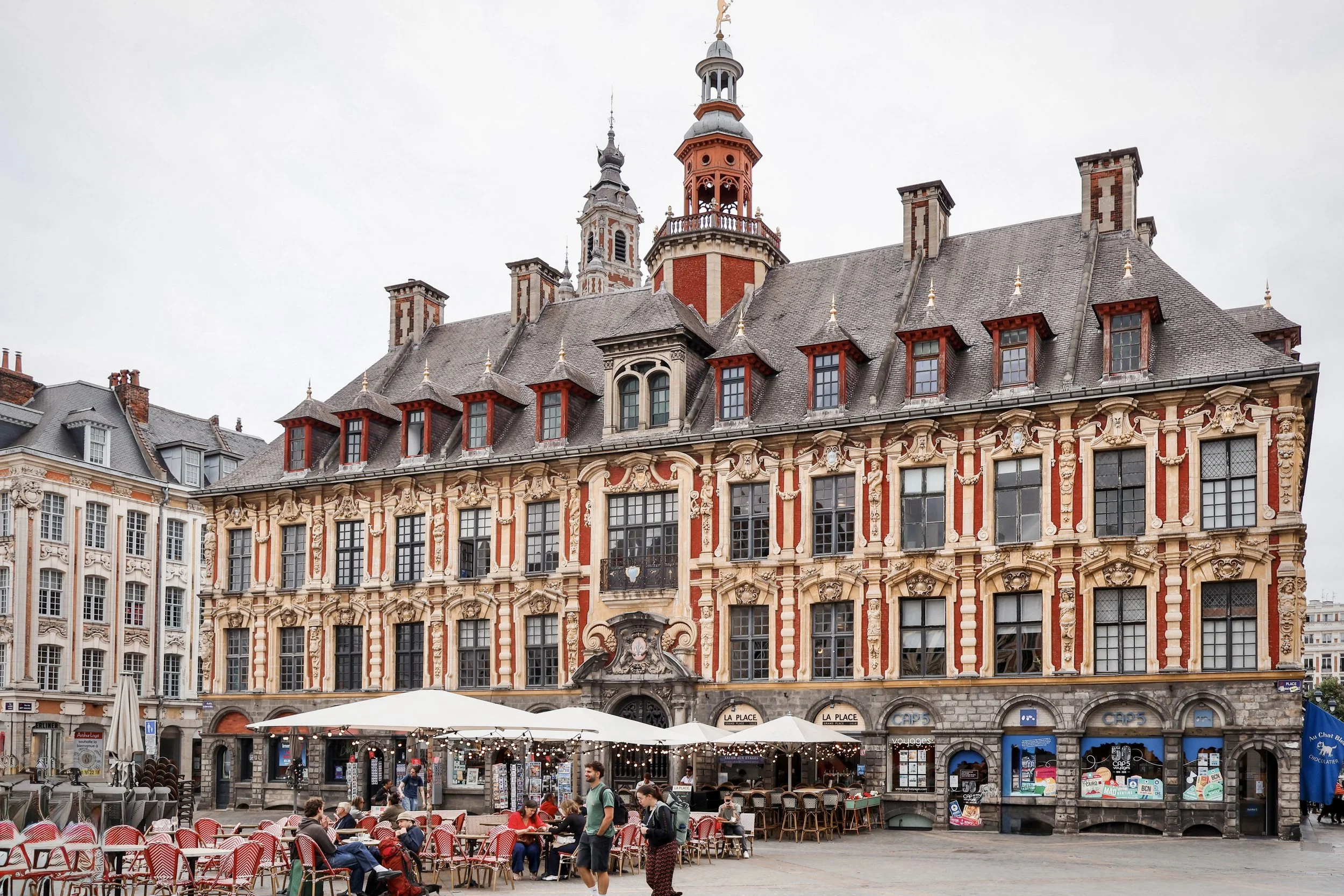
View of the Le Vieille Bourse in Lille
Cathédrale Notre-Dame-de-la-Treille
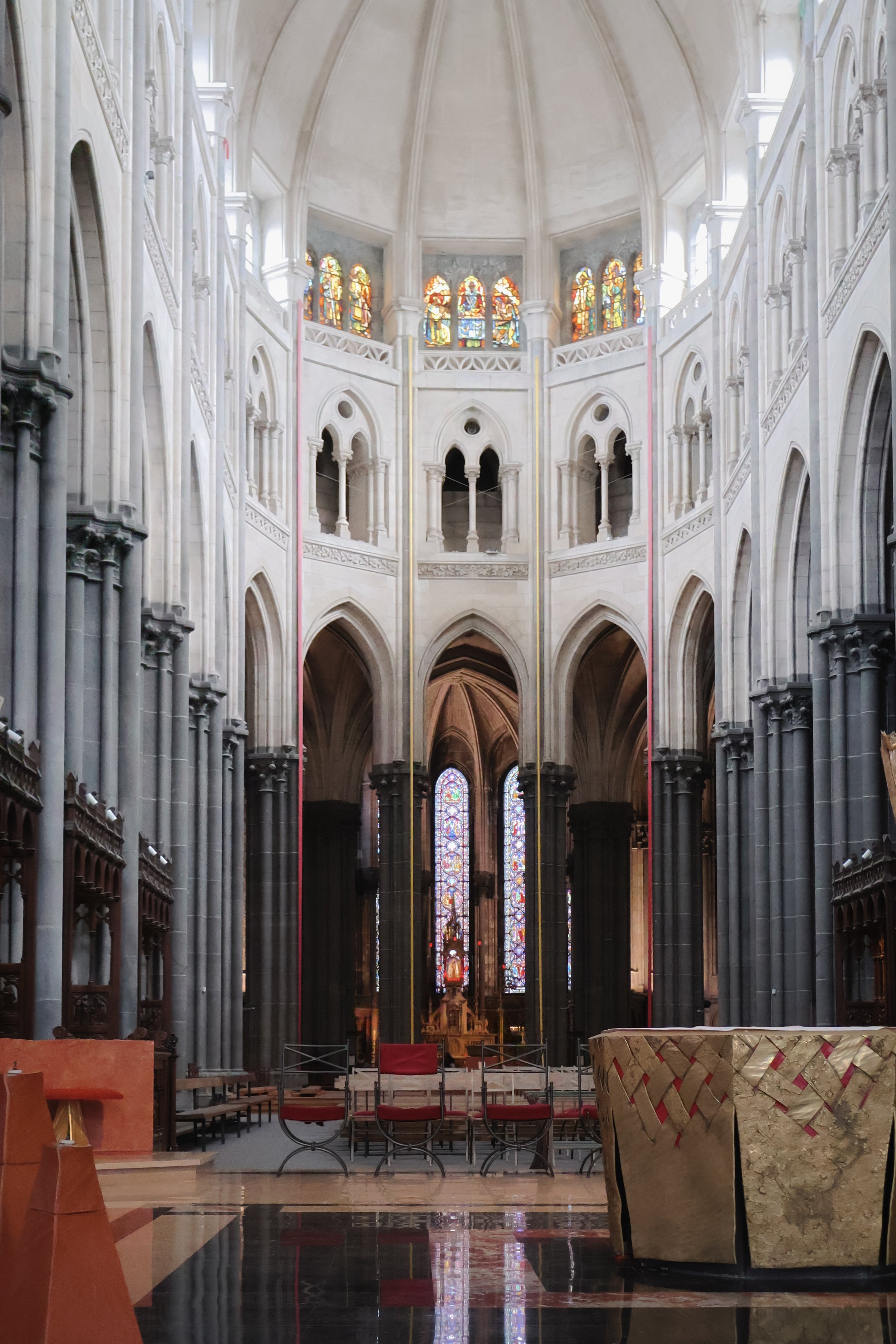
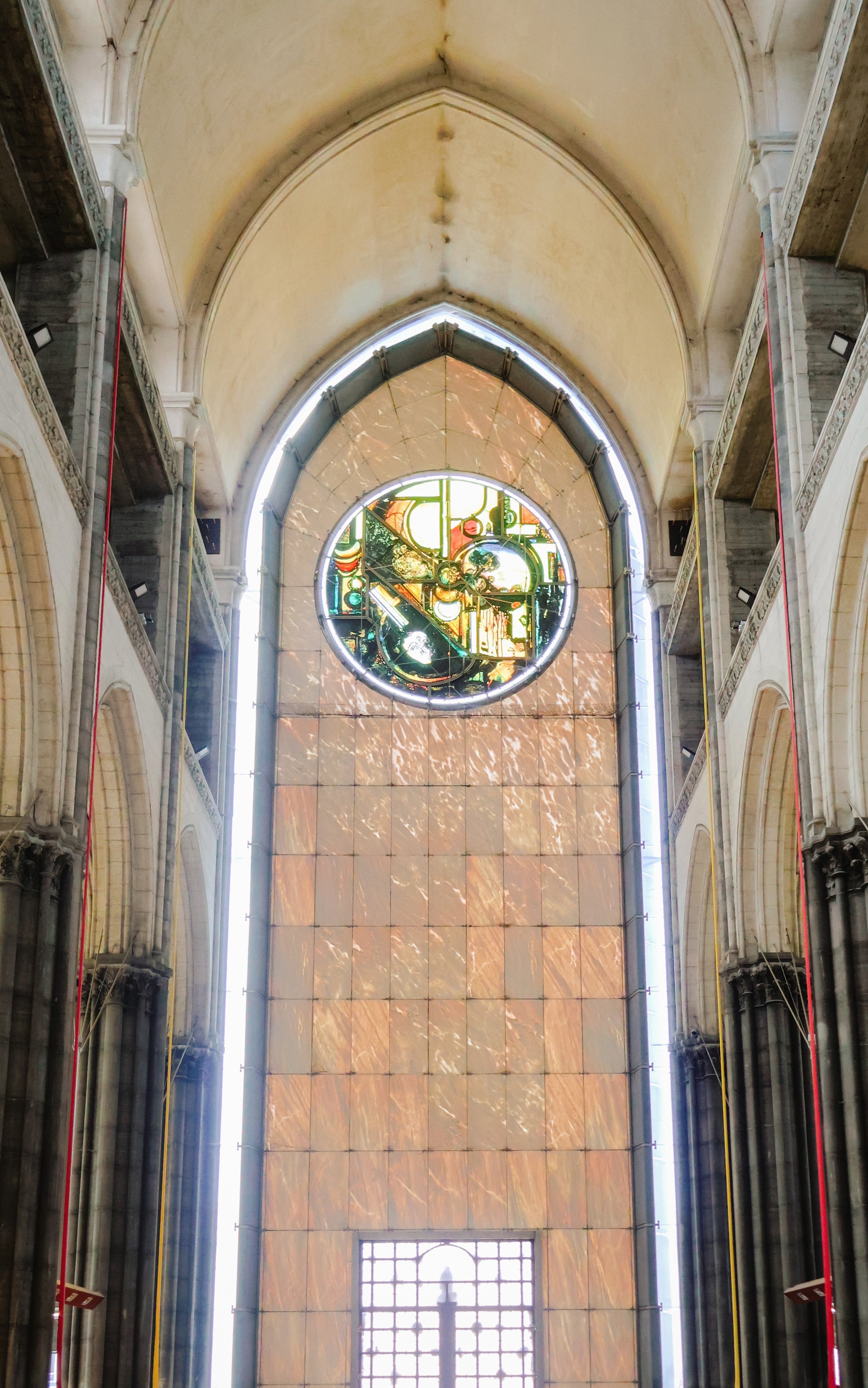
For a complete change of pace, make sure to walk past the Cathédrale Notre-Dame-de-la-Treille; it looks like a gritty, modern grey building from the outside, but it hides a translucent marble facade that glows beautifully with the light from the sun inside. The architecture and decor inside are truly magnificent!
Great Views of Lille & more to see
If you want to observe Lille from above, you will need to go to the southeastern part of the city centre and climb the Beffroi de l'Hôtel de Ville. In the same area, you will find other landmarks like the Porte de Paris and not far from there, you will get to the Palais des Beaux-Arts de Lille with its mesmerising art.
Beffroi de Lille
The Beffroi de Lille (Lille Belfry) is the tallest belfry in all of Europe, soaring to 104 metres in height, and is recognized as a UNESCO World Heritage site. You will need to climb 100 steps and then take a lift to the top for a 360-degree panoramic view of the entire city and the surrounding countryside. The Beffroi de Lille is a red-brick tower; it was built in the 1930s in Art Deco style and it blends modern design with traditional Flemish architecture. Book your entrance ticket here.
Hôtel de Ville
Just a short walk from the Beffroi de Lille, you find the Hôtel de Ville (City Hall). The Hôtel de Ville is a massive building from the 1930s, built entirely of reinforced concrete and regional red brick, designed to replace the old city hall that was completely destroyed during World War I. Inside, the lobby houses a monumental staircase with beautiful Art Deco stained-glass windows that tell the industrial history of the region. You will get access only to one floor but since you are already in the area, I would suggest you go!
Porte de Paris
The Porte de Paris is a spectacular 17th-century arch built to celebrate the military victory that annexed Lille into France. It is located just steps away from the Hôtel de Ville and the Lille Belfry, so you can’t miss it. It was originally part of Lille’s massive medieval defensive walls.
Citadelle de Lille
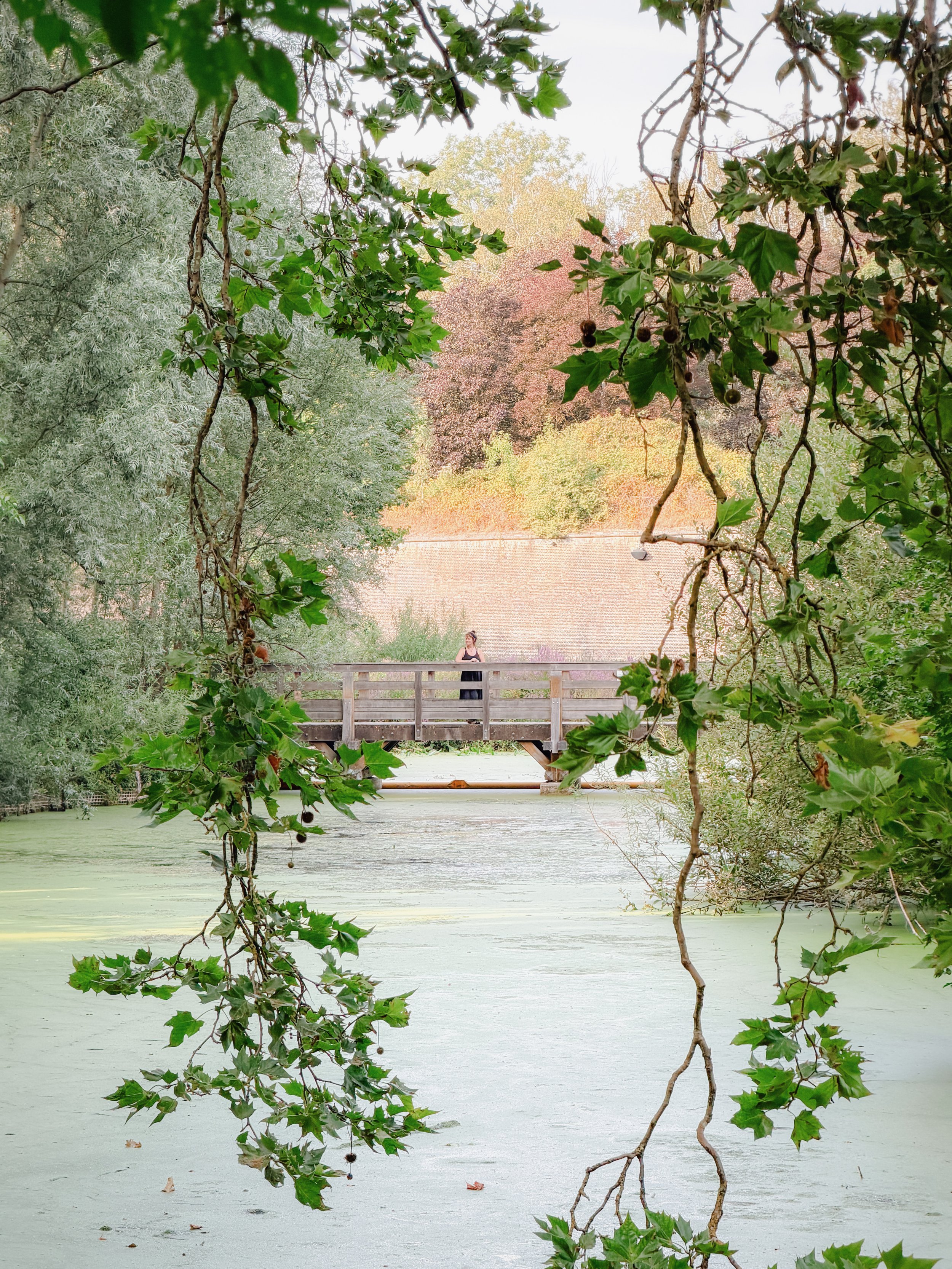
Citadelle de Lille is a 17th-century star-shaped military fortress designed by Vauban. Sébastien Le Prestre de Vauban was a French military engineer and in his life, he designed strongholds built inside or directly adjacent to cities (citadels). His designs featured complex networks of moats, very visibile in the Citadelle de Lille.
The Citadelle de Lille is currently an active military base (NATO headquarters) and its interior is generally closed to the public.
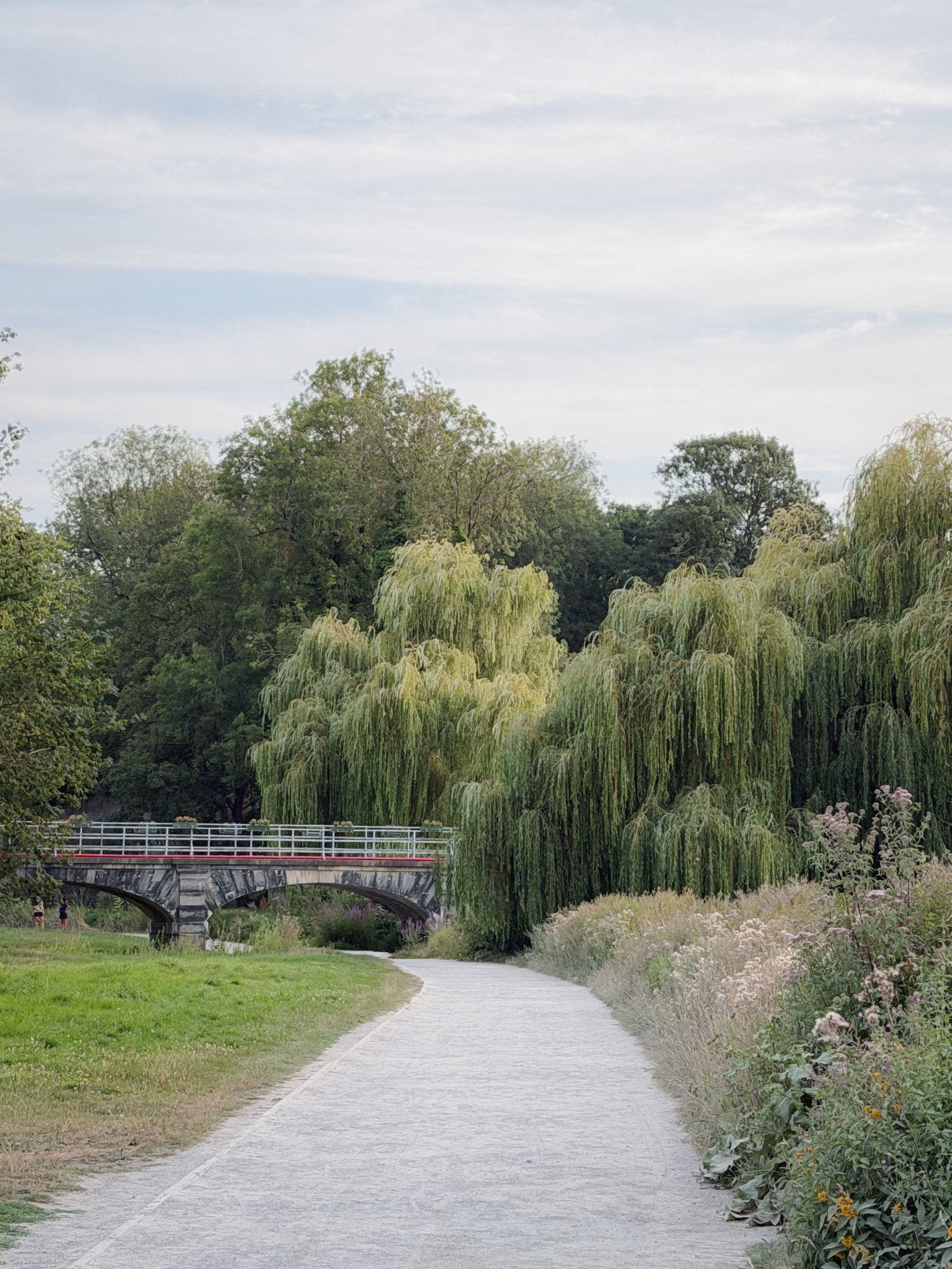
However, the fortress is surrounded by walls and moats and especially a massive 60-hectare public park. The park is free, open 24/7, and contains the Lille Zoo, running paths, woods, and amusement rides.
Museums in Lille
Palais des Beaux-Arts de Lille
The Palais des Beaux-Arts de Lille is one of the largest and most prestigious museums in France, housing a massive art collection that is second in size only to the Louvre in Paris. I can firmly say that this was my favourite museum in Lille; exploring the palace's massive art collection was incredible. If you visit the palace, you will walk among enchanting works by legendary masters like Rubens, Monet, Morisot, and Rodin. The architecture of the building is equally beautiful; it is a 19th-century Belle Époque palace, featuring massive atriums and grand staircases. If you have to choose only one museum to explore, I suggest you go for the Palais des Beaux-Arts de Lille, especially if you like classical sculptures and impressionist paintings like I do.
La Piscine - Musée d'art et d'industrie André Diligent de Roubaix
La Piscine Museum (The Swimming Pool Museum) in nearby Roubaix is entirely unique because it is housed inside a converted 1930s Art Deco public swimming pool, where beautiful statues now line the edges of the originally water-filled Olympic pool. The main gallery gets loads of natural light from two massive stained-glass windows at both ends that are designed to look like a sunrise and sunset. Another thing I loved about it is that the old tiled shower stalls and changing cubicles have been preserved and turned into intimate display cases for ceramics, fashion, and local textile histories. The Museums is located in Roubaix, which is just a quick 20-minute metro or tram ride directly from the centre of Lille, making it an incredibly easy trip.
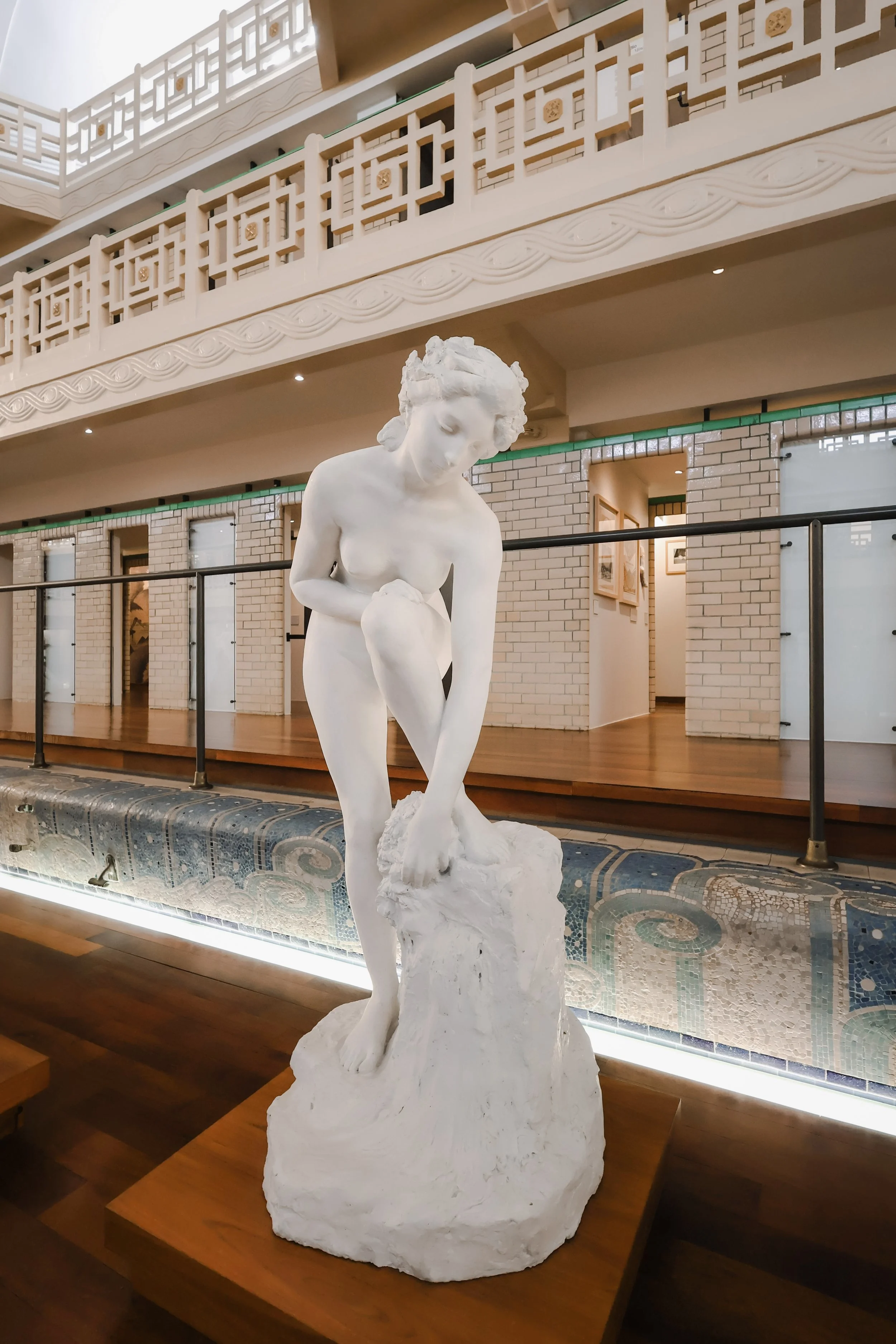
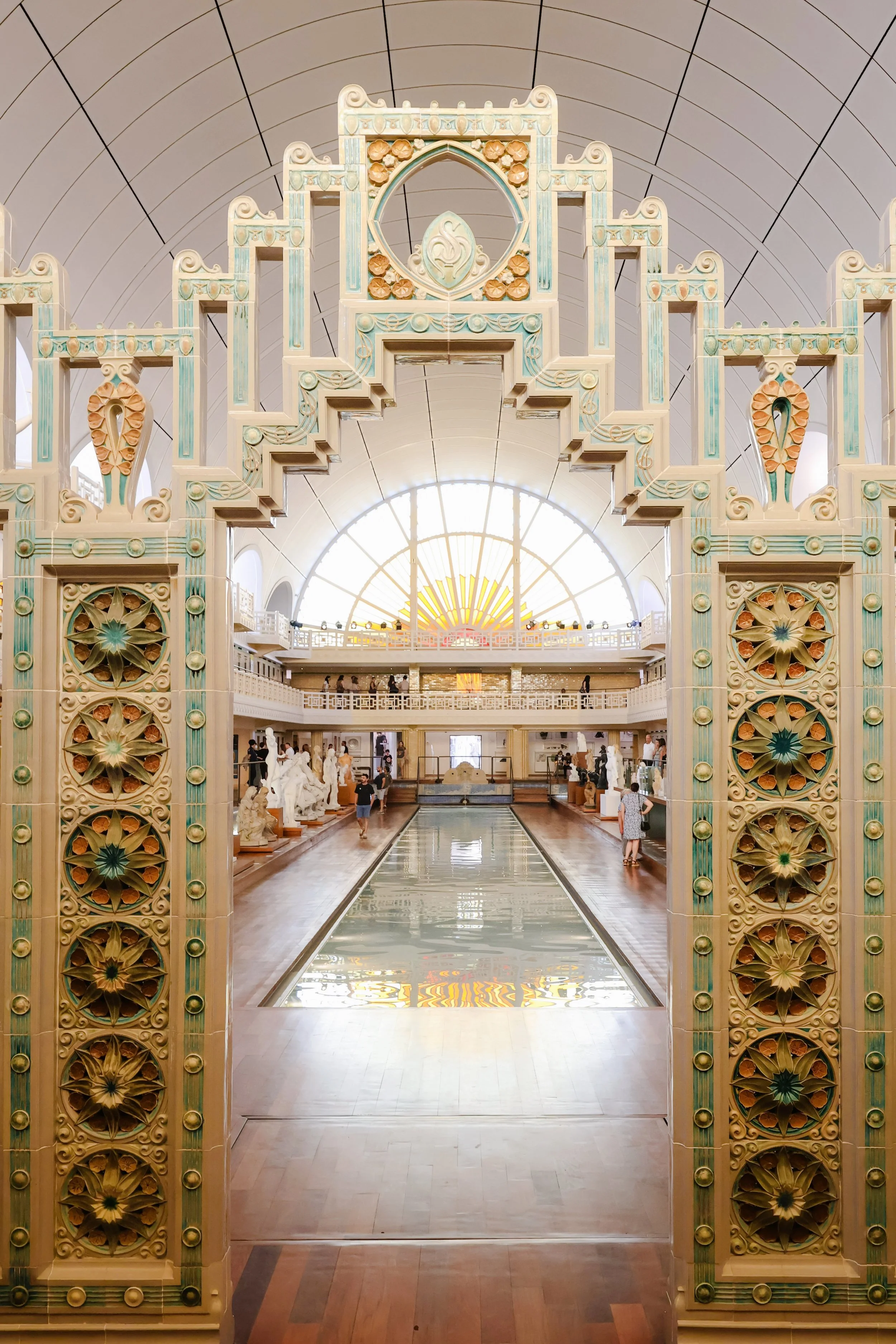
Musée de l'Hospice Comtesse
The Musée de l'Hospice Comtesse is in the old town of Lille. This museum was founded in 1237 and originally operated as a hospital for the sick, the poor, and pilgrims for seven centuries until 1939. The ground floor features realistic rooms designed to recreate a 17th-century Flemish home. This includes a stunning, preserved kitchen covered entirely in thousands of traditional blue-and-white tiles.
The complex showcases a blend of 15th- to 18th-century architecture. Key spaces include a massive, wood-panelled barrel-vaulted sick ward and an onsite medicinal herb garden. The upper floor acts as a repository for Lille's history before the French Revolution. It houses nearly 70,000 works of art, including portraits, textiles and local sculptures.
I really enjoyed the temporary exhibition on textiles here and I also tried weaving, which I really liked!
Where to eat in Lille
There are so many really good French restaurants in Lille and you will have plenty of choices, but you can't leave Lille without treating yourself to Le Welsh, the ultimate Northern comfort food. This dish is a thick slice of beer-soaked bread topped with ham, buried under a mountain of melted cheddar, and baked until it's golden. Another dish you can’t miss is the Carbonade Flamande, a slow-cooked beef stew made with dark ale, mustard, and gingerbread. In Northern France, a popular variation of The Welsh substitutes the traditional cheddar with pungent Maroilles cheese. Maroilles is notoriously smelly, but it melts into a super creamy, rich sauce that's absolutely delicious on everything. It might not be everyone’s cup of tea but you should surely try it!
Méert
A place that I genuinely recommend you don’t miss when visiting Lille is Méert. Méert is one of the oldest operating pastry shops in France. It was was founded in 1761 in lavish 18th and 19th Century decor featuring carved wood and details with a touch of gold.
Méert includes a historic boutique shop, a traditional tea room, and a fine dining restaurant.
The French Bastards
The French Bastards is a contemporary French bakery chain that bridges traditional artisanal baking with modern pop culture. It was launched in Paris in late 2018 by three lifelong friends who reject the standard family legacy of classic French bakeries, styling themselves as a "rebellious," hence the name "Bastarderie". They have a wide offer of pastries, savoury foods and plenty of coffee choices.
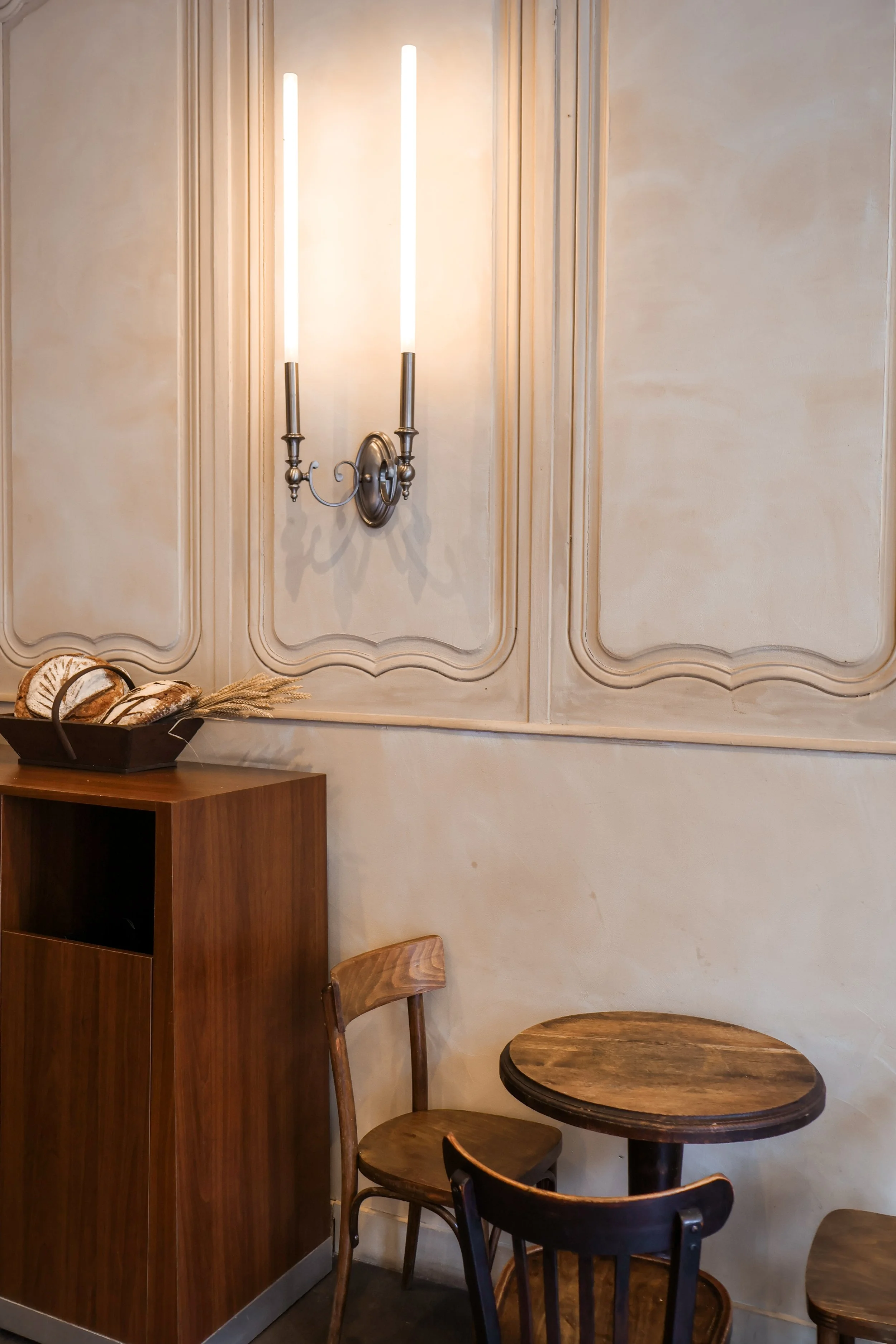
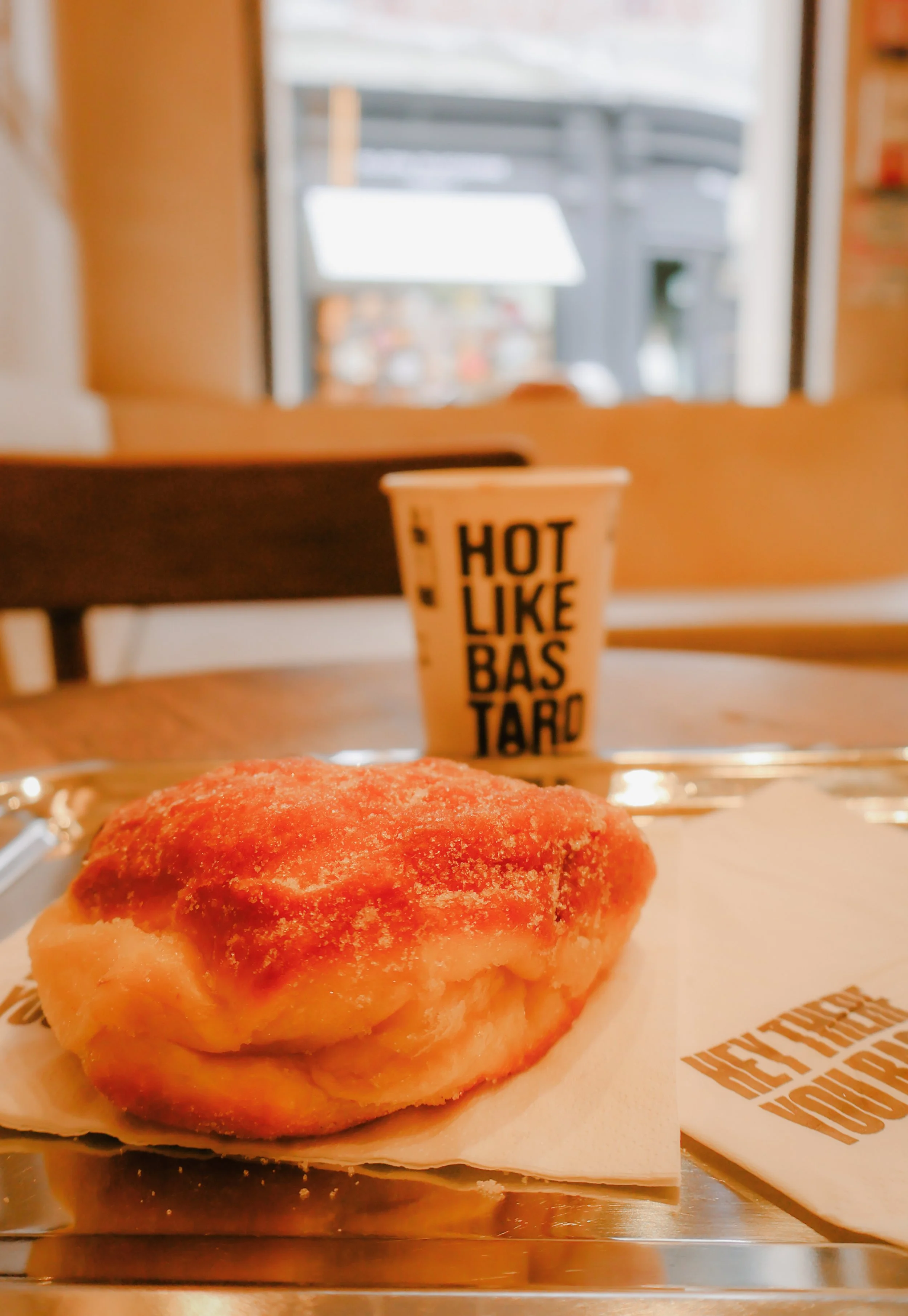
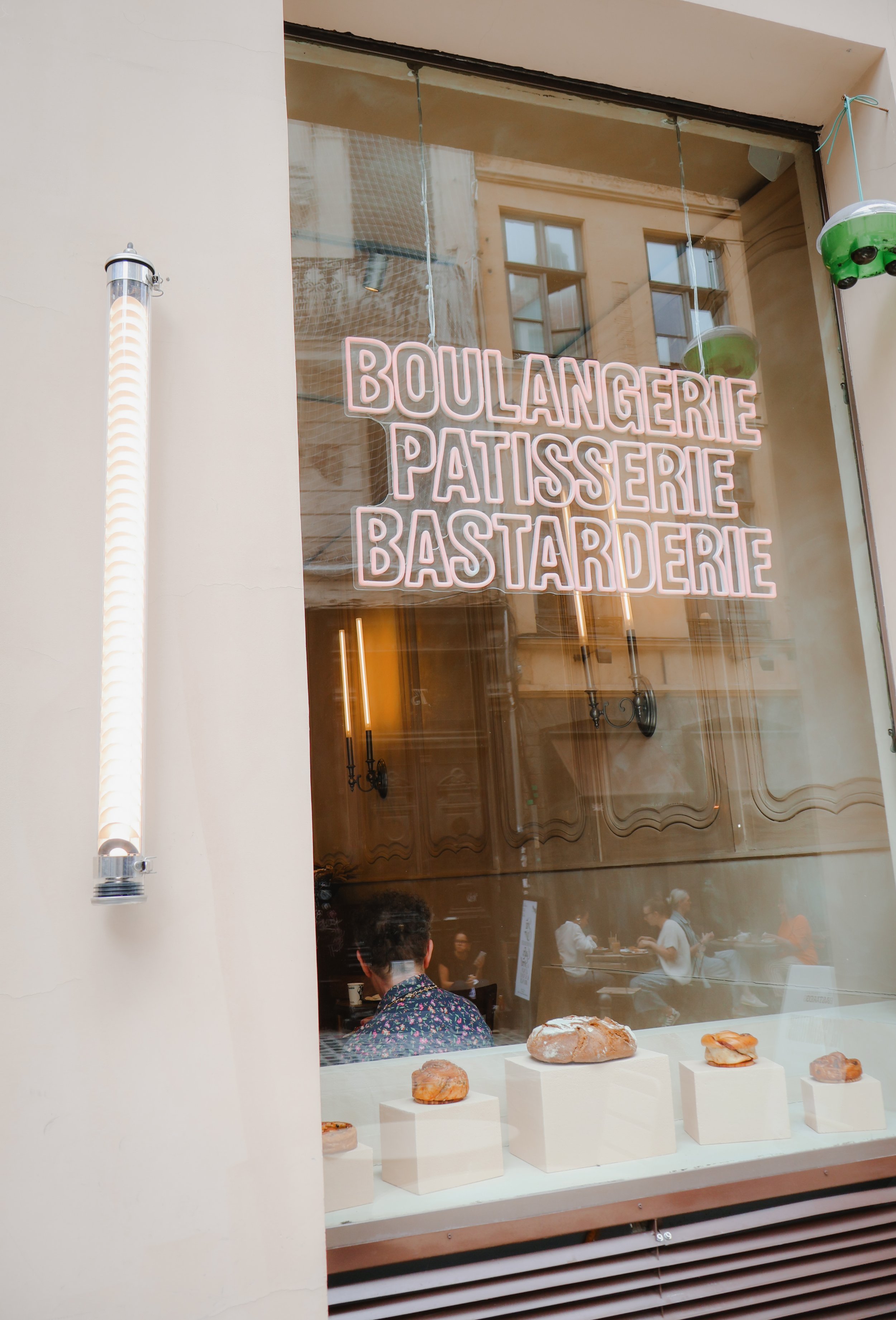
Aux Merveilleux de Fred
Aux Merveilleux de Fred is a world-famous pastry shop that single-handedly revived a forgotten 18th-century Northern French treat called the Merveilleux. The Merveilleux is a hyper-light pastry made of airy meringue, flavoured whipped cream, and differnt toppings. This was absolutely delicious and the decor is really charming.
Estaminet Au Vieux De La Vieille
The Estaminet Au Vieux De La Vieille is a traditional Northern French restaurant in the cute Place aux Oignons. Try typical dishes like Le Welsh, the ultimate Northern comfort food. This meal is a thick slice of beer-soaked bread topped with ham, buried under a mountain of melted cheddar, and baked until it's golden. Another dish you can’t miss is the Carbonade Flamande, a slow-cooked beef stew made with dark ale, mustard, and gingerbread. In Northern France, a popular variation of The Welsh substitutes the traditional cheddar with pungent Maroilles cheese. Maroilles is notoriously smelly, but it melts into a super creamy, rich sauce that's absolutely delicious on everything. It might not be everyone’s cup of tea but you should surely try it!
Les Compagnons de la Grappe
Les Compagnons de la Grappe is an iconic traditional Northern French tavern (an estaminet) that is hidden down a narrow alleyway, offering a secret garden terrace right in the middle of Lille's bustling Old Town. Because of its hidden location, entering the restaurant feels like discovering a cozy sanctuary away from the city noise. This is the absolute perfect place to try the regional dishes of Northern France like the Carbonnade Flamande and Le Welsh. They also offer genius sampler platters like La Découverte de ch'Nord Fromages (a tasting of regional melted cheeses) and La Découverte de ch'Nord Douceurs (a dessert plate with tiramisu and chicory crème brûlée).
Basilic & Co - pizzas de terroirs
Basilic & Co is a highly popular French pizza chain. They use 100% French artisanal, premium, regional French ingredients like Maroilles cheese from the North, Reblochon from the Alps, and local dry-cured hams. I got a 4 cheeses pizza and I mist say, this was the cheesiest pizza ever!
Chido Café
Lovely place for a coffee and cake stop. The coffee shop is extremely laptop friendly, so it’s a great location for remote workers and nomads.
Le Bus Magique
Le Bus Magique is a floating eco-friendly community hub housed on a converted 1950s freight barge moored along the river by Lille’s Citadelle park. Something to keep in mind, because it is run by a non-profit association, visitors need to sign up for a membership (starting at €1) at the bar and they also need to fill a form with their personal details.
It serves homemade organic and vegetarian-friendly meals during the day and becomes a lively terrace bar at night. The barge is highly popular for its community-driven events calendar, hosting everything from drag shows and stand-up comedy nights to acoustic concerts and knitting workshop.
Additional organised tours and activities
A guided walking tour is always a good way to learn more about the city and its history. If you go on this tour, you will embark on a 2-hour walk in Vieux Lille with a qualified guide; spot the old town's main sights and monuments and hear fun facts and anecdotes about life in Lille!
A food tour is the other highly popular way to explore Lille’s culture and its culinary treats. You have a few to choose, plenty to go based on your preferences.
Don’t forget to check this link to explore more tours and experiences in Lille!
More useful Links
Lille: 24, 48 or 72-hour City Pass & 24-hour Transport (get access to more than 20 tourist sites and attractions in Lille and enjoy included public transport to make exploring easier)
Lille Bus Tour (discover the city of Lille on a 75-minute convertible coach tour)
Maya Mobile eSims for steady internet connection for the whole length of your trip. Use code BETHANY for 10% off your first purchase
Travel experiences I recommend
Travel and Content Creation products I use
*This article contains affiliate links. If you purchase through them, I may earn a small commission at no extra cost to you. Thank you for supporting the blog!


Oslo: Royal Palaces, Fjords & Nordic Art
Oslo 3 Days Itinerary: City Highlights, Fjords Cruise, Nature Walks