Oslo: Royal Palaces, Fjords & Nordic Art
In this article, we will explore Oslo, the capital of Norway and charming city in Northern Europe. From the city highlights to nature spots, I will suggest a 3 days itinerary that includes admiring the 200 sculptures in Vigeland Park, “The Scream” painting at the Munch Museum, a fjord cruise, and time to relax at the vibrant waterfront district of Aker Brygge. We will also check out the main Oslo’s landmarks; the Royal Palace, the Opera House, a medieval fortress.
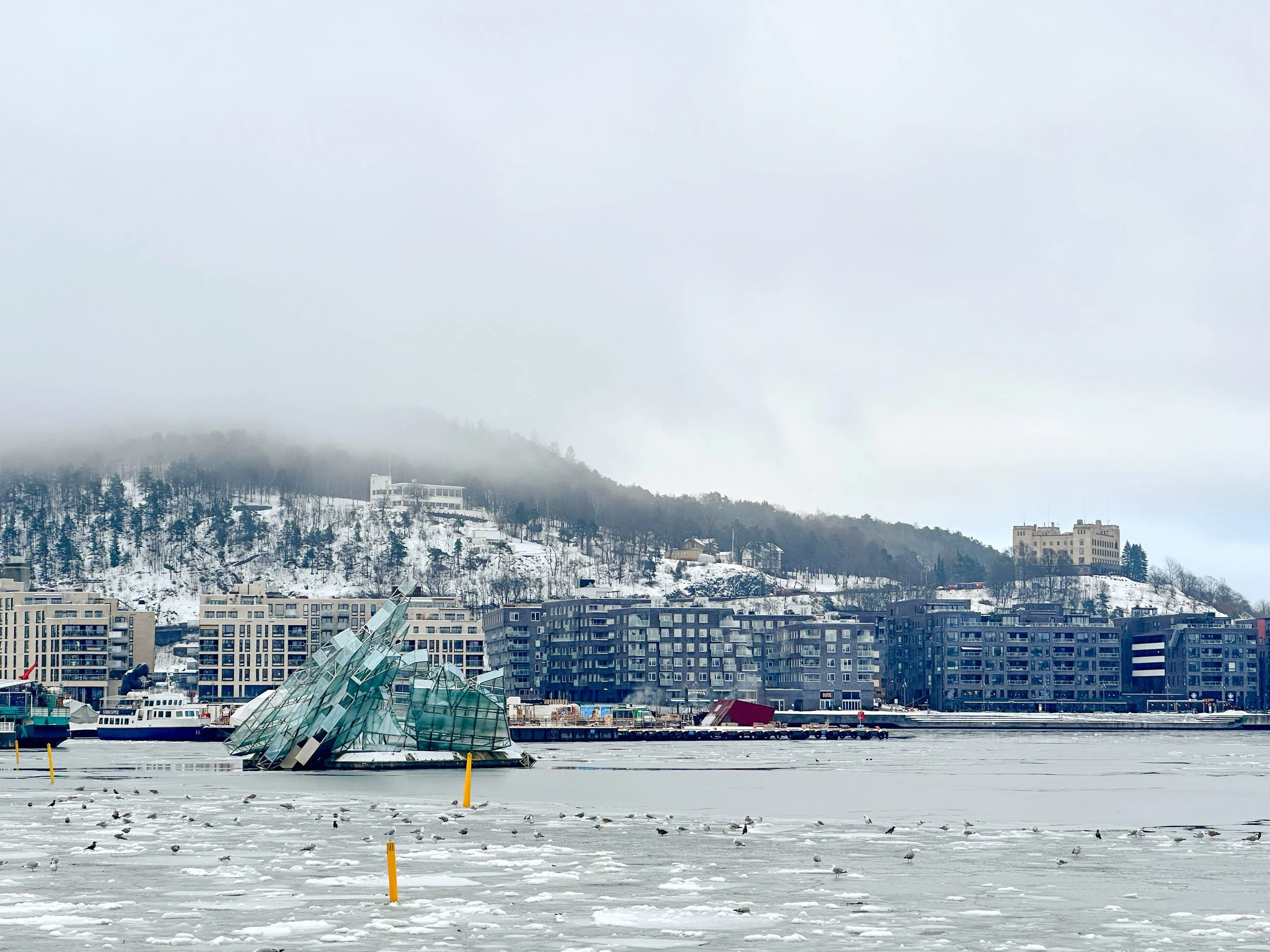
View of Oslo’s waterfront area from to the Opera House
If you go in February like I did, pack warm clothes! February in Oslo is cold but crisp and beautiful. The light is that magical blue-hour quality all day long. Book museum tickets in advance if you want to skip lines. And honestly? Walk as much as you can. Oslo's compact centre reveals itself on foot!
If you are a visual person and like watching videos, you might want to check out my YouTube vlog about Oslo.
If you are interested in an easy to read 3 days Oslo itinerary that you can personalise and also use to book your trip, check this link to my itinerary on the Boop app.
Table of contents:
Where to stay in Oslo
Oslo City Highlights
Where to Eat in Oslo
Additional Organised Tours and Activities in Oslo
Oslo doesn't try too hard to impress you — and that's exactly what makes it so good. It's a city where royal history, serious art, and total nature access all sit within walking distance of each other. Here's how to make the most of a few days there, from where to sleep to what to do.
Where to Stay in Oslo
Smarthotel Oslo is a solid, no-fuss base for a short city stay. It sits on a quiet side street just a two-minute walk from Nationaltheatret Station and the airport express train, so getting in and out of the city couldn't be easier. Don't expect spacious rooms; they're small and budget-category but they're comfortable and cover everything you need for a few nights of travel.
Oslo City Highlights
Begin in royal territory at Slottsparken, the palace gardens that are far less crowded than you'd expect. In winter, frost-covered grass and bare branches give the park a dramatic edge that summer green can't match, and the views back toward the city are genuinely sublime.
Just beyond it sits the Royal Palace (Slottet) itself; this palace is surprisingly approachable as far as royal residences go. It sits openly on a hill in an elegant 19th-century neoclassical architecture. If you're nearby around 1:30pm, the changing of the guard is worth timing your visit around but check times online first!
From there, Karl Johans gate leads to the National Theatre, a beautiful building from 1899 with very photogenic details. Worth a stop, even if you don't catch a performance inside.
Tucked nearby is University Square (Universitetsplassen), arguably Oslo's most underrated stop. It's the meeting point of three institutions — the University of Oslo, the Royal Palace, and the National Library. The square is ringed by imposing yet elegant 19th-century neoclassical buildings, and in winter light it's beautiful without ever feeling staged for tourists. This is the perfect stop to watch real life in Oslo happening: students cutting through, locals grabbing coffee, real civic life rather than tourism infrastructure. Give it fifteen unhurried minutes between the Parliament and the National Theatre, and you'll understand the city better than most single attraction could teach you.
Speaking of which, the Norwegian Parliament (Stortinget) houses Norwegian democracy inside a salmon-pink building. Free guided tours run regularly on weekdays and add real context to the country's famously progressive governance.
For a peaceful moment, step into Oslo Cathedral. Built in the 1600s and restored many times since, it hosts royal weddings and state events but still feels like a place to simply sit and breathe — calm, understated, and unmistakably Norwegian in tone.
Rådhuset, Oslo's City Hall, is unmissable for its reddish-brick facade and twin towers alone. This is where the Nobel Peace Prize is announced every December. Step inside if you can: the murals tell the story of Norwegian culture and history.
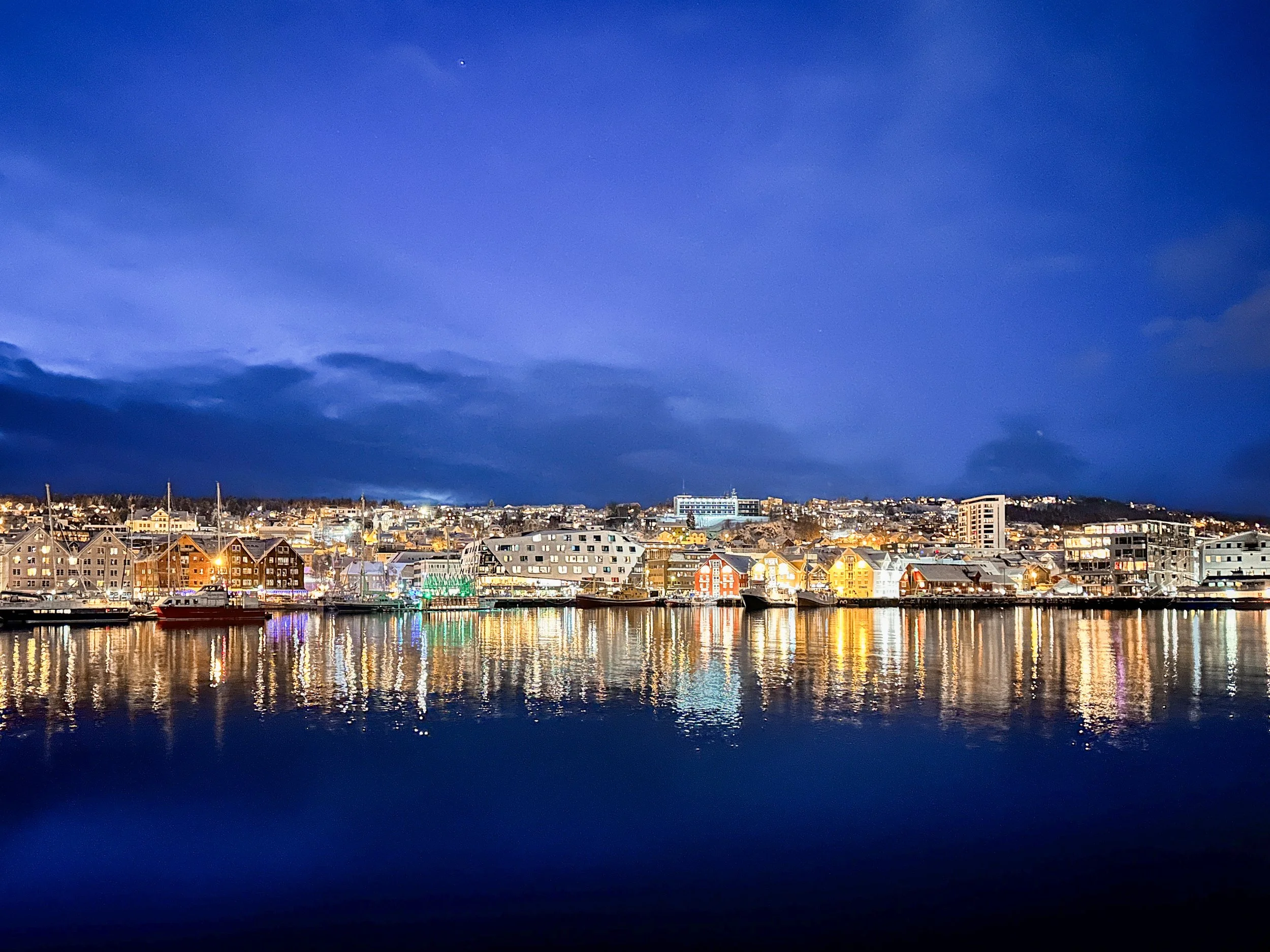
As the day winds down, head to Aker Brygge for golden hour. This former shipyard turned waterfront district is full of galleries, boutiques, and restaurants with real character, and the harbour views across the fjord are stunning, especially in winter, when you get the atmosphere without the summer crowds.
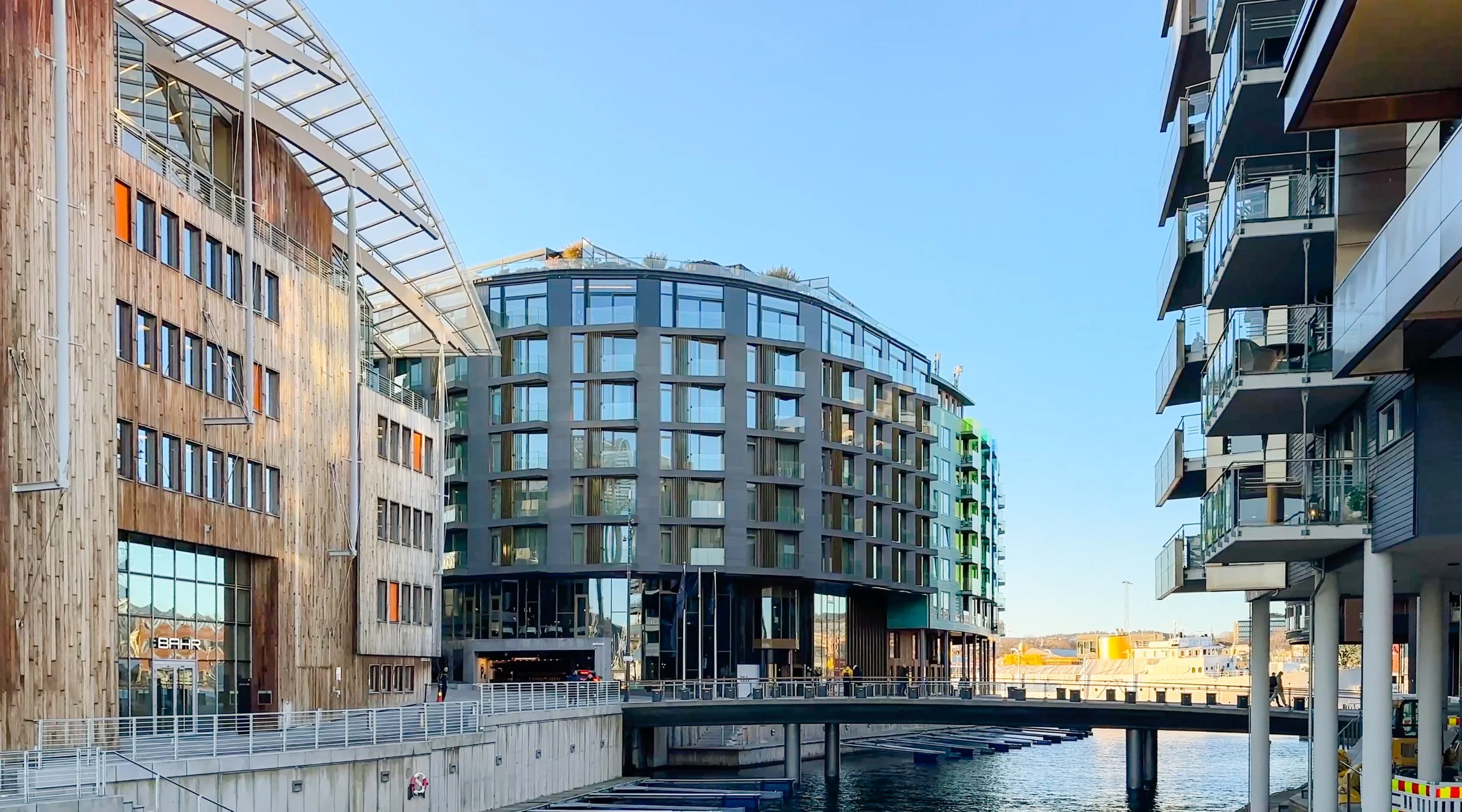
Aker Brygge
On day two, cross the harbour to Akershus Fortress, built in the 13th century and still standing watch over the city seven hundred years later. The views from the ramparts are spectacular, and the military museums inside are far more engaging than you'd expect from the outside.
Nearby, the Opera House is architecturally stunning. It was opened in 2008, it looks like a glacier rising straight out of the harbour, all white marble and sloping angles you can walk right up (bring shoes with decent grip). Even without a performance ticket, the building alone is worth the stop.
Round out the art side of the city at the Munch Museum. Yes, “The Scream” is there (smaller than expected, still hauntingly good) but the real value is in the more than 26,000 other works by Edvard Munch on display, tracing a lifetime of artistic obsession that the single famous painting can't capture alone.
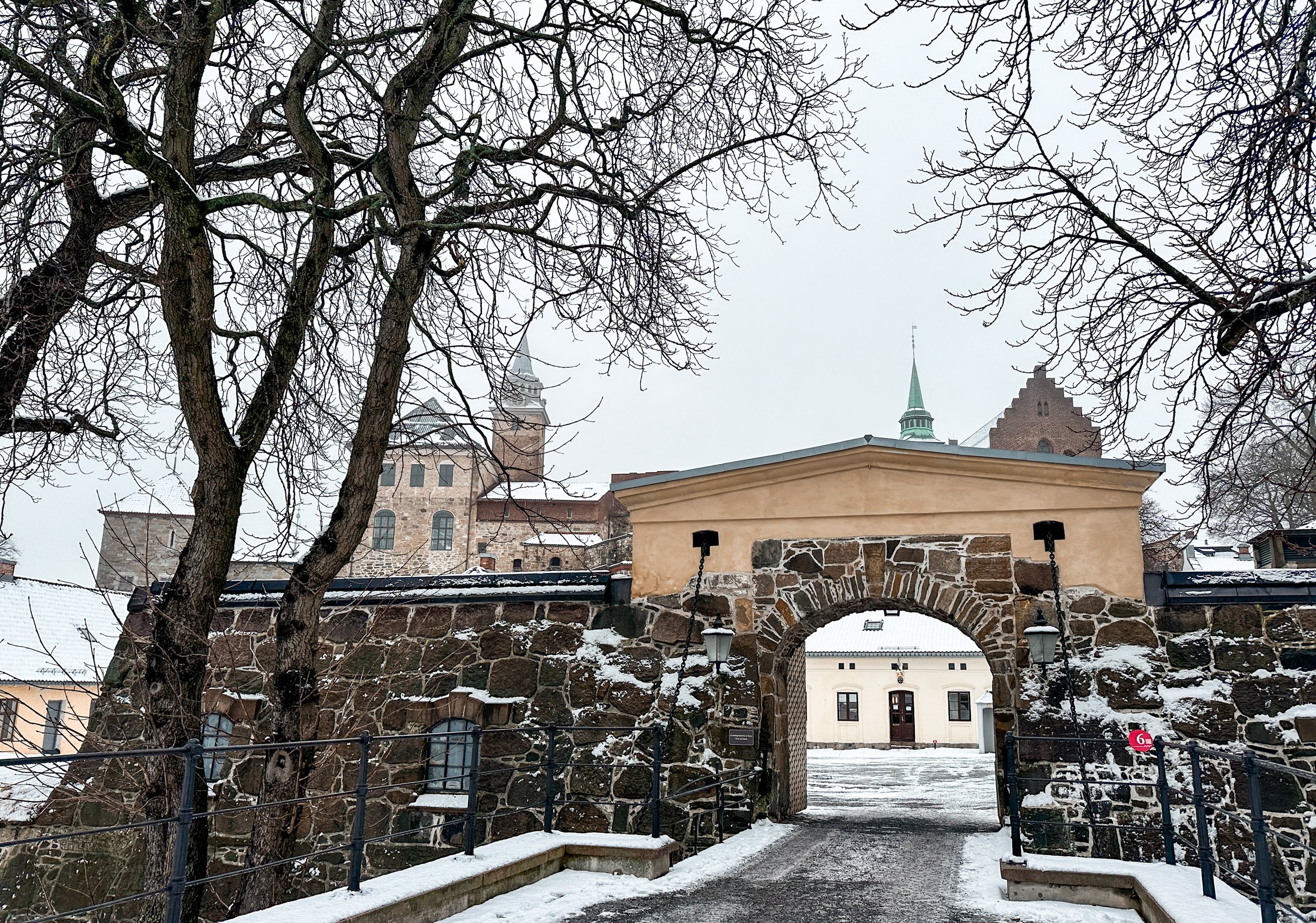
Akershus Fortress
Save your final morning for Vigeland Park: over 200 bronze and granite sculptures by Gustav Vigeland spread across 80 acres, depicting human figures in every emotion and stage of life. It is genuinely moving, especially in winter when bare trees and grey skies lend it a melancholic beauty. Give it at least an hour to properly wander. Right next door, Frogner Park provides the garden setting that frames the sculptures, complete with a small manor house museum and an old-money atmosphere from the wealthy Oslo families who once built estates here.
Finish with Bygdøy Peninsula. This is Oslo's escape without actually leaving the city. Forested and coastal, with the Viking Ship, Fram Museum, Maritime, and Folk museums on hand if you want to go deeper, it also rewards a simple walk. In winter it's quiet and contemplative, with the Royal Estate adding an extra layer of history to the peninsula.

Staues in Frogner Park, close to Vigeland
Where to Eat in Oslo
Kaffebrenneriet — a beloved local chain and a proper introduction to Norway's coffee culture: excellent espresso, minimalist Scandinavian styling, and locals rushing in for their morning fix.
Fuglen — very cool coffee spot. Sit by the window with a good coffee and watch Oslo wake up.
Rorbua Aker Brygge — proper Norwegian dining; the name means "fisherman's cabin," and the food lives up to it, with fresh seafood and traditional preparations served in a genuinely cosy, harbour-side setting. The lit-up waterfront view at night is a highlight in itself.
Happy Foods — a casual neighbourhood spot near Frogner Park, ideal for an easy, unpretentious lunch after a morning spent wandering Vigeland Park's sculptures.
Peppes Pizza — a beloved Norwegian pizza chain, unpretentious and genuinely good, and a fun, low-key way to close out a final night in the city while supporting a local favourite rather than a tourist trap.
A note on Salome: this Venetian-Scandinavian spot near the Oslo Opera House, known for its homemade bread, fresh pasta, and harbour terrace, appears to have closed permanently as of the most recent check on Google Maps. Worth confirming before you go — but the same stretch of waterfront has plenty of other restaurants offering a similarly warm, harbour-side dining experience if it turns out to be gone for good.
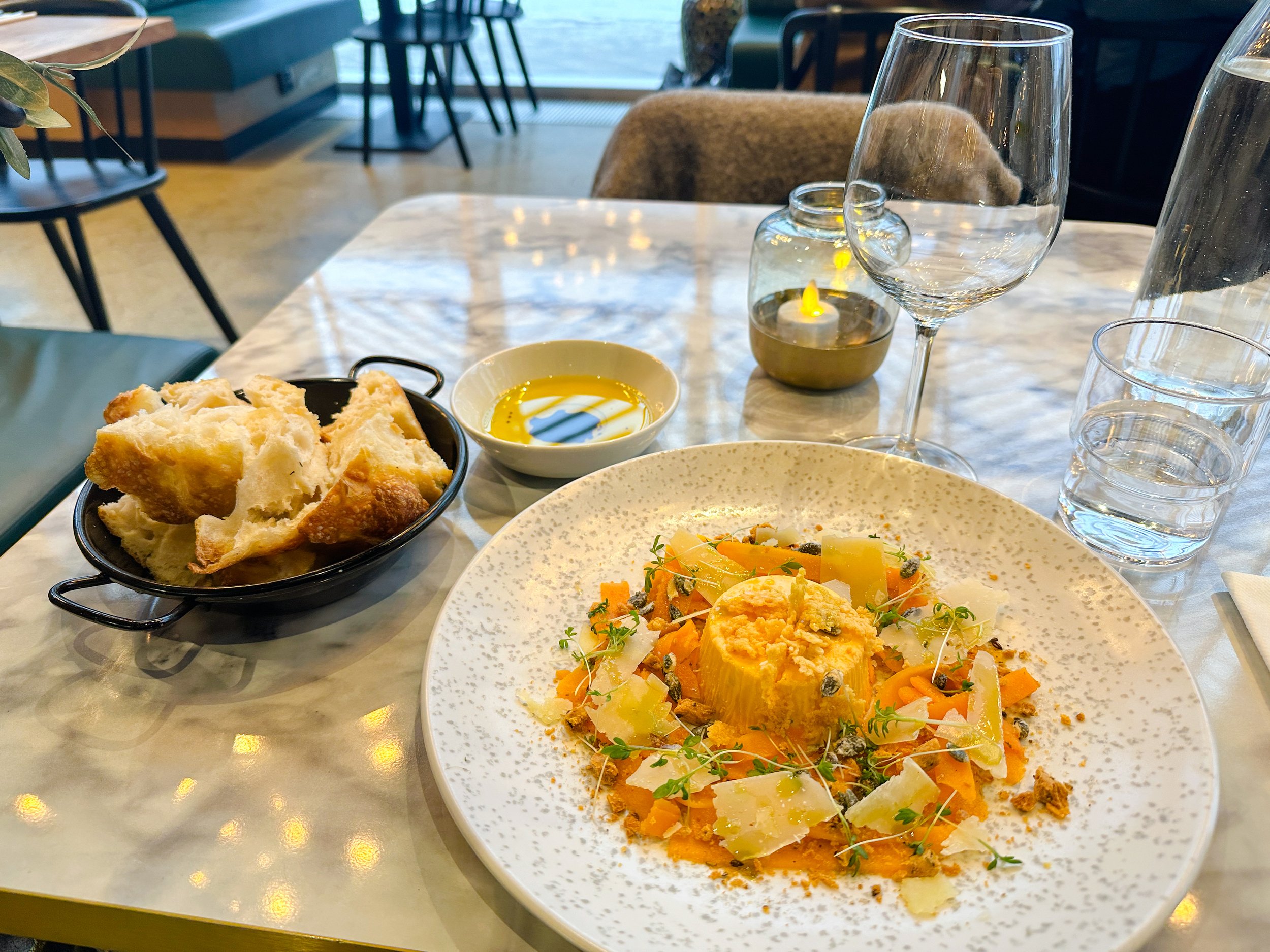
Luxury dining in Oslo
Additional Organised Tours and Activities in Oslo
Fjord Sightseeing Cruise: a two-hour cruise through Oslo's archipelago and fjords that's easy to skip but really shouldn't be. In winter, you may catch the water frozen at the edges under that ethereal low light, passing islands and tiny villages you simply can't experience from land.
City Walking Tours: organised tours of the city highlights. There are a few to choose from, so plenty of choice. This option of walking tour, also gives you entrance to two museums.
Food tours: organised tours where you can taste authentic Norwegian cuisine, escape the crowds and discover Oslo through the eyes of locals.
Island Hopping & Nature Walks:island-hopping tours where you can discover the beautiful Norwegian coastal scenery just minutes from the city centre. Explore charming islands, seaside villages, hidden beaches and stunning nature
Royal Palace tours: seasonal guided tours of the Palace interior; even without one, the changing of the guard at 1:30pm is worth timing your visit around.
Norwegian Parliament tours: free guided tours run on weekdays, offering real insight into Norway's governance beyond what the building's facade alone can tell you.
Akershus Fortress museums: the military museums inside the fortress grounds are worth building into your visit, alongside a walk along the ramparts for harbour views that stretch back 700 years of history.
Additional useful links
Maya Mobile eSims for steady internet connection for the whole length of your trip. Use code BETHANY for 10% off your first purchase
Travel experiences I recommend
Travel and Content Creation products I use
This article contains affiliate links. If you purchase through them, I may earn a small commission at no extra cost to you. Thank you for supporting the blog!
If you enjoy travel videos, I created a video on Oslo and it is available on YouTube. This is a relaxing walking tour of Oslo with calm music and information on the Norwegian city; click the image below to watch it. It might be your cup of tea!

Oslo: Royal Palaces, Fjords & Nordic Art
Oslo 3 Days Itinerary: City Highlights, Fjords Cruise, Nature Walks